
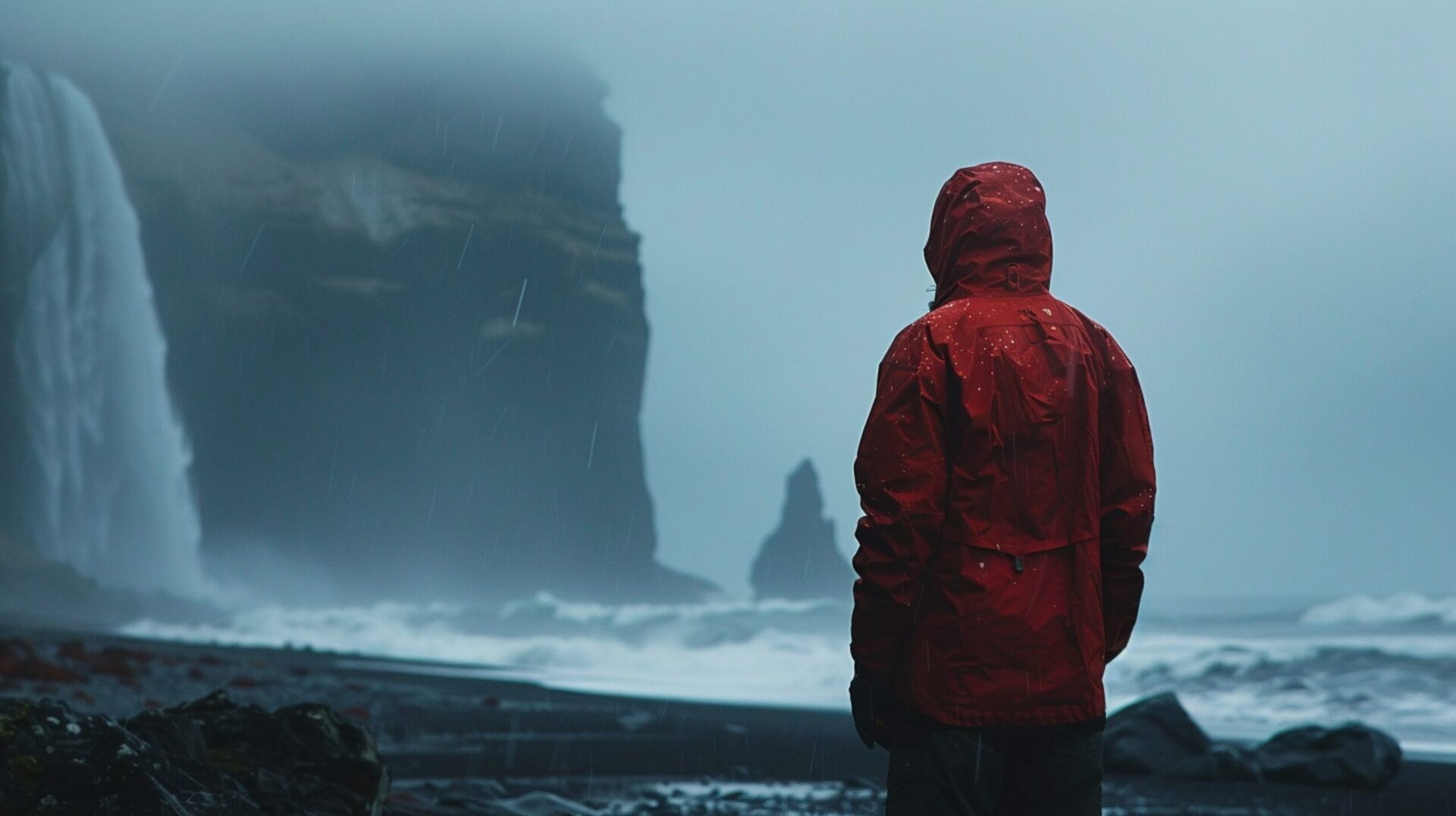
Chasing Waterfalls: The Ultimate Iceland Adventure Guide
Iceland, known as the “Land of Fire and Ice,” offers a remarkable landscape filled with dramatic waterfalls, making it a paradise for nature lovers and adventure seekers alike. From towering falls to serene cascades, Iceland’s waterfalls are both beautiful and awe-inspiring. For those who love to explore and chase waterfalls, Iceland should be at the top of your list.
Gullfoss: The Golden Falls
One of Iceland’s most iconic waterfalls, Gullfoss, is located in the Golden Circle region. The “Golden Falls” is a massive two-tiered waterfall that plunges into a rugged canyon. The sheer power of the water and the dramatic surroundings make Gullfoss a must-visit on any Icelandic adventure. The falls are accessible year-round and can be enjoyed from various viewing platforms. During the winter months, it’s even more magical as ice and snow cover the landscape, giving the waterfall an ethereal glow.
Seljalandsfoss: The Waterfall You Can Walk Behind
Seljalandsfoss is another crowd favorite, located on the south coast of Iceland. This picturesque waterfall drops 60 meters into a pool below, creating a stunning curtain of water. What makes Seljalandsfoss truly unique is the path that leads behind the waterfall, allowing visitors to walk behind the falling water and experience it from a different perspective. The view of the waterfall from inside is nothing short of breathtaking, and photographers will find plenty of opportunities to capture magical shots.
Skogafoss: A Majestic Powerhouse
Skogafoss is one of Iceland’s largest and most powerful waterfalls, with a drop of 60 meters and a width of 25 meters. Situated along the Skoga River on the south coast, this waterfall is surrounded by lush greenery, creating a striking contrast between the water and its surroundings. Visitors can climb the steps leading to the top of Skogafoss for a panoramic view of the waterfall and the surrounding landscape. On sunny days, rainbows often form in the mist, adding to the magic of the scene.
Dettifoss: Europe’s Most Powerful Waterfall
For those looking for a more rugged and raw waterfall experience, Dettifoss in North Iceland is a must-see. It holds the title of Europe’s most powerful waterfall, with a flow rate of 193 cubic meters per second. The waterfall is 44 meters tall and 100 meters wide, and it crashes into the Jökulsárgljúfur canyon with tremendous force. The surrounding area is remote and dramatic, offering a sense of isolation and adventure. Dettifoss is best accessed via a short hike, which allows you to get up close to the falls and feel the power of the water.
Godafoss: The Waterfall of the Gods
Godafoss, located in North Iceland near Akureyri, is another striking waterfall that should be on every waterfall-chasing itinerary. The waterfall’s name, “Waterfall of the Gods,” comes from a historic event when pagan idols were thrown into the falls after Iceland’s conversion to Christianity. Godafoss is 12 meters high and 30 meters wide, with a crescent-shaped cascade that creates a magical sight. The surrounding area is beautiful, with views of the nearby mountains and the river.
Hraunfossar: The Lava Falls
Unlike many of Iceland’s other waterfalls, Hraunfossar is a series of smaller falls that emerge from the Hallmundarhraun lava field. The water flows through cracks in the lava rock, creating a mesmerizing display of cascades that flow into the Hvítá River. Hraunfossar is unique for its formation, as the water seems to appear out of nowhere, creating a surreal landscape. Nearby, the Barnafoss waterfall adds to the charm, with its turquoise waters swirling around rocks in the river.
Fureysdrif: Iceland’s Hidden Gem
For those seeking a lesser-known waterfall experience, Fureysdrif on the Snæfellsnes Peninsula is an off-the-beaten-path gem. Tucked away in a valley, this waterfall is surrounded by volcanic landscapes and offers a peaceful and serene atmosphere. The waterfall is a bit more challenging to reach, requiring a short hike, but its tranquility makes it well worth the effort.
Svartifoss: The Black Waterfall
Located in Vatnajökull National Park, Svartifoss is one of Iceland’s most unique waterfalls. The name “Black Falls” comes from the striking hexagonal basalt columns that frame the waterfall, creating a dramatic contrast with the white water. Svartifoss is accessible via a hiking trail, and the trek through the surrounding mossy landscape adds to the overall experience.
Tips for Visiting Iceland’s Waterfalls:
- Dress for the weather: Iceland’s weather can be unpredictable, so make sure to wear waterproof clothing and sturdy hiking boots, especially if you plan to get close to the falls.
- Respect the environment: While chasing waterfalls, it’s important to respect the natural landscape and follow local guidelines to protect these incredible sites.
- Visit during the off-season: If you want to avoid large crowds, consider visiting Iceland’s waterfalls during the shoulder seasons in early spring or fall.
Conclusion: Iceland’s Waterfall Paradise
Iceland is undoubtedly a dream destination for waterfall lovers. Whether you’re exploring the famous Gullfoss, hiking to the remote Dettifoss, or discovering hidden gems like Fureysdrif, Iceland’s waterfalls offer endless opportunities for adventure, photography, and awe. From the raw power of Dettifoss to the serene beauty of Seljalandsfoss, Iceland’s waterfalls are an essential part of the country’s natural allure and should not be missed by anyone looking to explore the best of Iceland’s wild landscapes.
So, pack your camera, lace up your hiking boots, and get ready for a waterfall-chasing adventure through Iceland’s stunning terrain.
Recent Posts

Epic Nights in Reykjavik: Best Party Experiences for Stag and Hen Parties in Iceland

From Glaciers to Hot Springs: Unique Group Activities You Can’t Miss in Reykjavik
